
Door And Hardware Inspection
Panels, hinges, rollers, tracks, fasteners, weather seals and visible lifting hardware are reviewed for wear, looseness, corrosion or damage.
Preventive service for Burnaby homes
A focused tune-up checks how the door moves, balances and responds before minor changes become a stuck door or an avoidable repair.
Preventive care with clear limits
Garage door maintenance is a planned inspection and tune-up for a door that is still supported and generally operating. It is intended to identify developing wear, reduce unnecessary friction, confirm balanced movement and test relevant opener safety functions.
The door, springs, cables, rollers, hinges, tracks and opener work as one system. A useful maintenance visit checks how those components interact instead of treating lubrication as the whole service.
Maintenance is not a substitute for repair when a spring has broken, a cable is loose, the door is hanging unevenly or a roller has left the track. Those conditions can involve stored spring tension or an unsupported door and should be assessed before further operation.
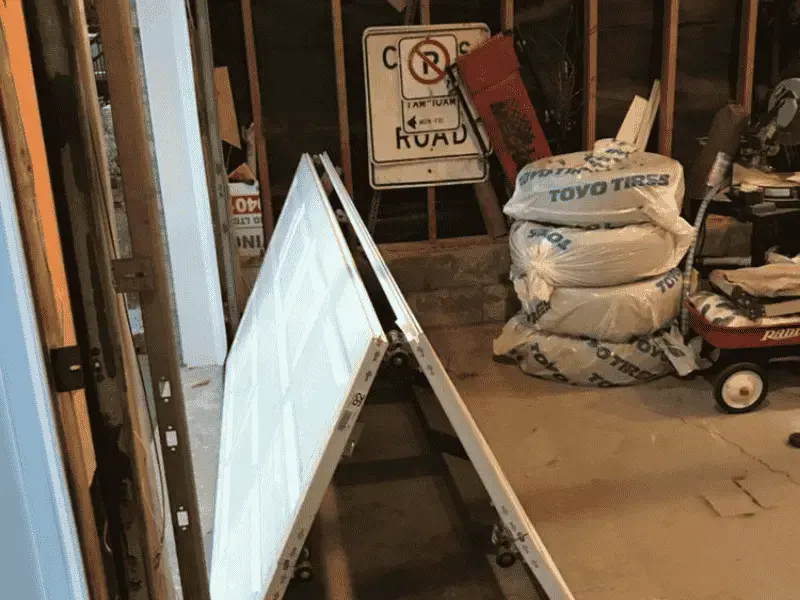
Complete system check
The exact work depends on the door, opener and manufacturer instructions. Findings should be explained before maintenance turns into a separate repair.
Panels, hinges, rollers, tracks, fasteners, weather seals and visible lifting hardware are reviewed for wear, looseness, corrosion or damage.
When the system is safe to disconnect, the door is moved manually to assess smooth travel, unusual resistance and whether the spring system is supporting the door evenly.
Manufacturer-approved lubricant is applied only at suitable moving or bearing points. The tracks are kept clean rather than coated with heavy grease that can collect debris.
Appropriate accessible fasteners and mounting points are checked. Tensioned spring hardware, cables, drums and bottom brackets are not treated as routine do-it-yourself adjustments.
Photo eyes, wall controls, remotes, travel behaviour and the connection between the opener and door are checked for consistent response.
The opener’s non-contact photo-eye function and contact-reversal response are tested using the procedure specified for the opener model.
Recognize the right service
Early changes can justify a tune-up, but visible damage or unstable movement should be treated as a repair concern.
Maintenance May Be Appropriate
Stop And Arrange Repair
Safety boundary: Do not loosen, wind or adjust springs, cables, drums or bottom brackets. Keep people, pets and vehicles away from an unstable door.
Simple homeowner routine
A short visual check can help you notice change. Use the door and opener manuals for model-specific instructions.
Follow the opener manufacturer’s procedure for photo-eye and contact-reversal testing. If the door does not respond correctly, stop automatic operation and arrange service.
Save the door and opener model numbers, manuals and previous repair information. These details help identify the correct maintenance procedure and compatible parts.
Frequency depends on use
Monthly visual and safety checks are a useful homeowner routine. An annual professional inspection is a practical starting point for many residential garage doors, consistent with industry safety guidance. The door and opener manuals remain the primary instructions for the specific system.
An earlier inspection may be sensible when the door is used many times each day, a new noise develops, movement changes, moisture or debris reaches the lower hardware, or the maintenance history is unknown.
Age alone does not determine the schedule. A newer high-use door can need attention before an older door that sees limited use. The more useful signals are cycle frequency, operating changes, visible wear and manufacturer requirements.
Local operating conditions
Garage door maintenance in Burnaby should reflect the actual door, how often it operates and what is stored or accessed through the garage. Configurations vary from detached houses to townhomes and attached garages.
After wet periods, check the bottom seal, lower brackets and track area for trapped debris, corrosion or water entry. Report corrosion near cables or spring hardware rather than scraping or adjusting those parts.
A door used as a frequent household entrance accumulates cycles quickly. Small changes in sound, balance or opener effort deserve attention even when the door still moves.
For shared-property doors, confirm who is responsible for maintenance and avoid changing common equipment or safety settings without authorization.
Service is focused on Burnaby neighbourhoods including Brentwood, Metrotown, Burnaby Heights, Capitol Hill, Deer Lake, Edmonds, South Slope and nearby communities. Provide the exact address or postal code when contacting us so availability can be confirmed.
Understanding the quote
A responsible quote should reflect the door and the work required rather than hiding repair work inside a low advertised tune-up price.
Clear service path
Share the door’s current operation, recent sounds, frequency of use and known maintenance or repair history.
The system is checked for damage or unsafe conditions that would make routine maintenance inappropriate.
Applicable inspection, lubrication, accessible hardware checks and opener tests are performed for the specific system.
You receive a clear explanation of the completed work, observed wear and any repair that should be considered separately.
Common homeowner questions
Monthly visual and safety checks are a useful routine, while an annual professional inspection is a practical starting point for many residential doors. Follow the door and opener manufacturers’ instructions, and arrange an earlier check when use is frequent or operation changes.
The exact scope depends on the system. A maintenance visit generally includes visual inspection of the door and lifting hardware, a balance and travel check, lubrication at suitable points, a hardware review, and testing of the opener’s photo-eye and automatic-reversal functions.
Sometimes. Dry pivot points or loose accessible hardware may contribute to noise, but grinding, scraping, popping or continued vibration can indicate worn rollers, track damage, poor balance or another repair issue. The sound should be diagnosed instead of covered with lubricant.
Homeowners can usually perform limited lubrication when the door is stable and the manufacturer identifies the correct product and points. Do not adjust springs, cables, drums or bottom brackets, and do not apply grease inside the tracks.
No. Springs, cables, rollers and opener parts still wear with age and use. Maintenance cannot prevent every failure, but it can identify visible wear, poor balance, loose hardware and failing safety functions before they are overlooked.
Arrange repair rather than a routine tune-up when the door is crooked, unusually heavy, off its tracks, stuck, connected to a broken spring or loose cable, or unable to pass a safety test. Stop operating an unstable door.
When inspection finds a fault
Maintenance may identify a specific problem that needs its own repair decision.
For inconsistent controls, reversal problems, unusual motor behaviour or an opener that runs without moving the door.
View Opener Repair →For a visible spring gap, unusually heavy door or lifting system that no longer balances the door.
View Spring Service →For scraping, binding, bent track or a roller that has moved out of position.
View Track Repair →Supporting homeowner resources
Use these guides to understand the symptom and prepare useful details before requesting service.
Match squeaks, rattles, grinding and scraping with safe maintenance or repair decisions.
Read Guide →Use a practical visual, lubrication, balance and safety-test checklist.
Read Guide →Plan inspection frequency around use, environment and changing symptoms.
Read Guide →Learn what to lubricate, what to keep dry and when noise needs diagnosis.
Read Guide →Request service in Burnaby
Tell us what the door sounds like, how it moves and when it was last inspected. If it is crooked, heavy or visibly damaged, stop operating it and mention that first.